Why Choosing the Right Security Service Provider Matters
Choosing the right security service provider is about more than finding the cheapest quote. It is about choosing a company you can trust to protect your property, people and assets when security matters most.
For businesses, landlords, property managers, facilities management companies and commercial property owners, effective security can play an important role in reducing risk and responding quickly when incidents occur.
From key holding and alarm response to mobile patrols, manned guarding, CCTV, temporary alarms and void property security, the right combination of services can help provide protection that is appropriate for the property and its individual requirements.
At Srvwire Property Protection LTD (SWPP), we believe security should start with understanding the property, identifying the risks and providing a practical solution around those requirements.
Security Isn’t One-Size-Fits-All
Every property is different.
A vacant commercial unit has very different security requirements from an occupied office, retail premises, construction site or managed property portfolio.
Likewise, a property awaiting a new tenant may require a different solution from a building undergoing refurbishment or a construction site approaching completion.
A professional security provider should take the time to understand:
- The type and location of the property
- Whether the property is occupied or vacant
- Existing alarms and security systems
- Access arrangements
- Previous security incidents
- Out-of-hours risks
- Key holders and emergency contacts
- CCTV and access control requirements
- The potential consequences of an incident
- How long the security is required
- Your operational and budgetary requirements
Rather than simply offering a standard package, your security provider should be able to recommend practical measures that are appropriate to the circumstances.
Why Reliability Matters
Security problems don’t only happen during office hours.
An alarm may activate at 2am. A vacant property could be targeted overnight. A construction site could be broken into over a weekend. A property manager may receive an unexpected call about an unsecured building.
When something happens, you need to know that the company responsible for your security will act.
That means looking beyond the sales process and asking important questions about how the service actually operates.
Who receives your alarm?
Who responds to an activation?
How quickly can they attend?
What happens if the first responder is unavailable?
Will you receive a report following an incident?
These operational details can be just as important as the security equipment itself.
Protecting Vacant and Void Properties
Void properties can present particular security challenges.
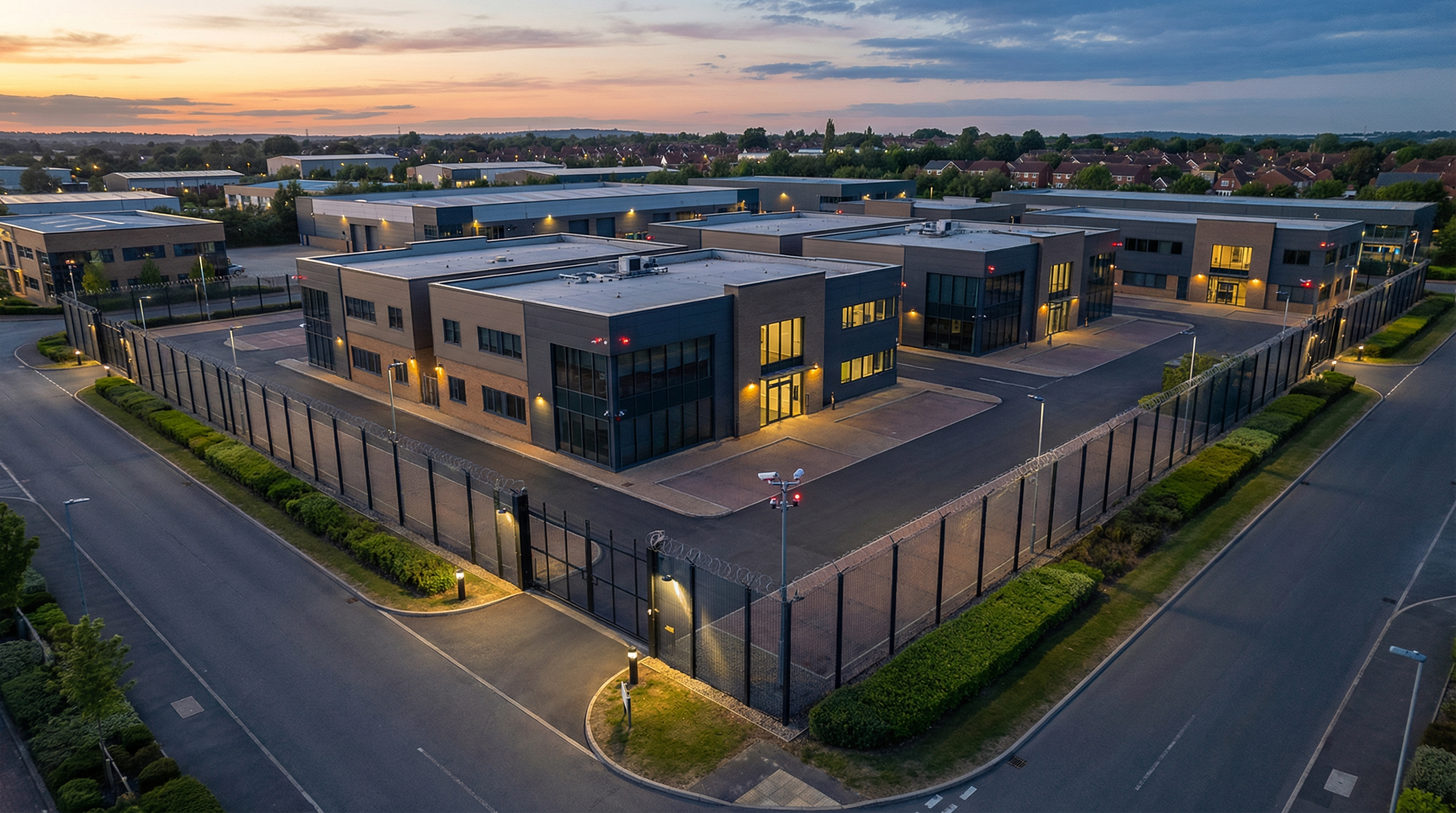
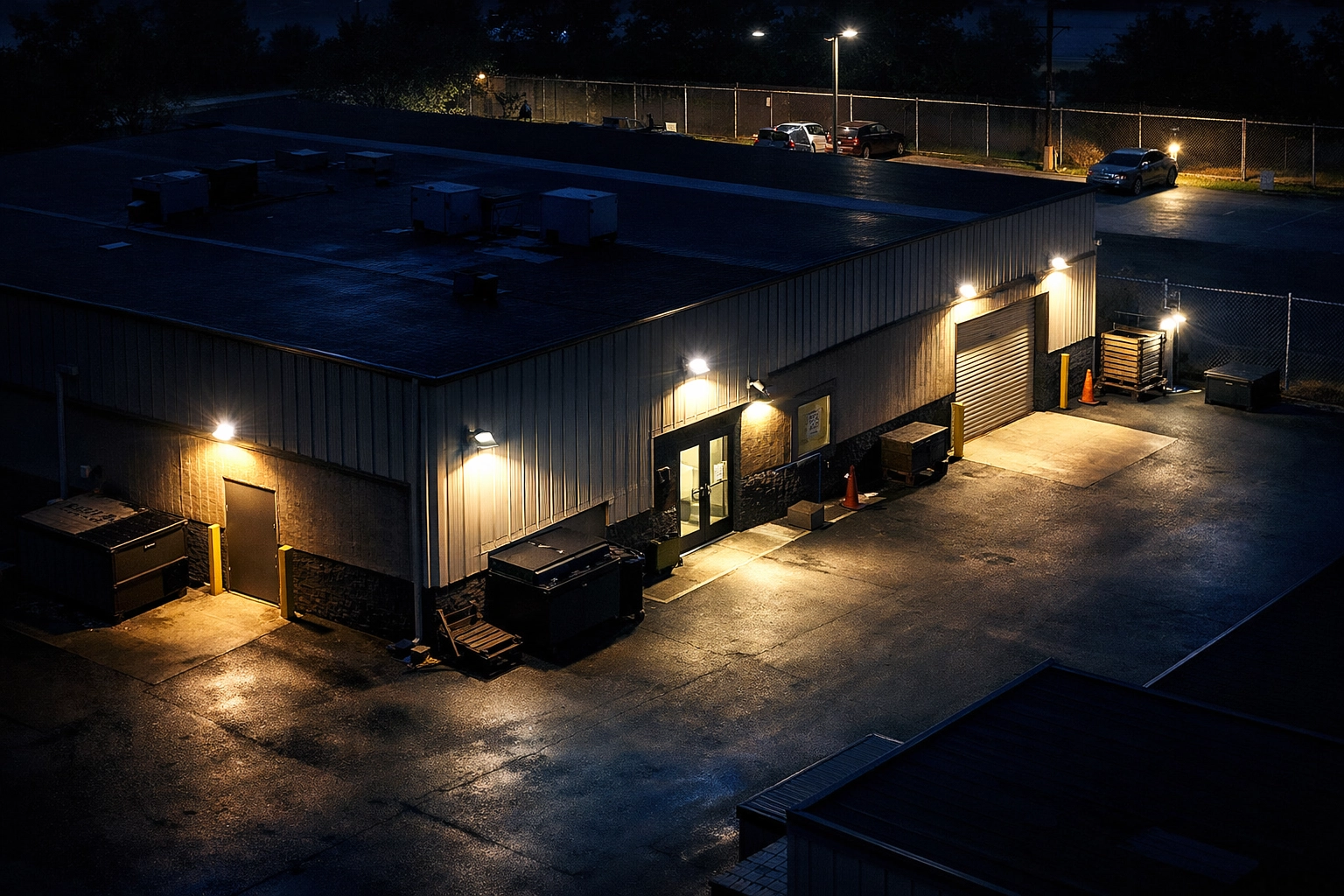
An empty property may have no staff, tenants or residents present to notice suspicious activity. Doors and windows may be left unused for extended periods, while properties awaiting refurbishment, sale or a new tenant can become vulnerable to theft, vandalism, trespass and unauthorised access.
At SWPP, void property security is one of the areas we specialise in.
We can provide a combination of security measures designed around the individual property, including:
- Void property alarms
- Temporary monitored alarm systems
- Battery-powered alarm systems
- Mains-powered alarm systems
- Temporary CCTV
- Mobile patrols
- Key holding and alarm response
- Physical security measures
- Access control
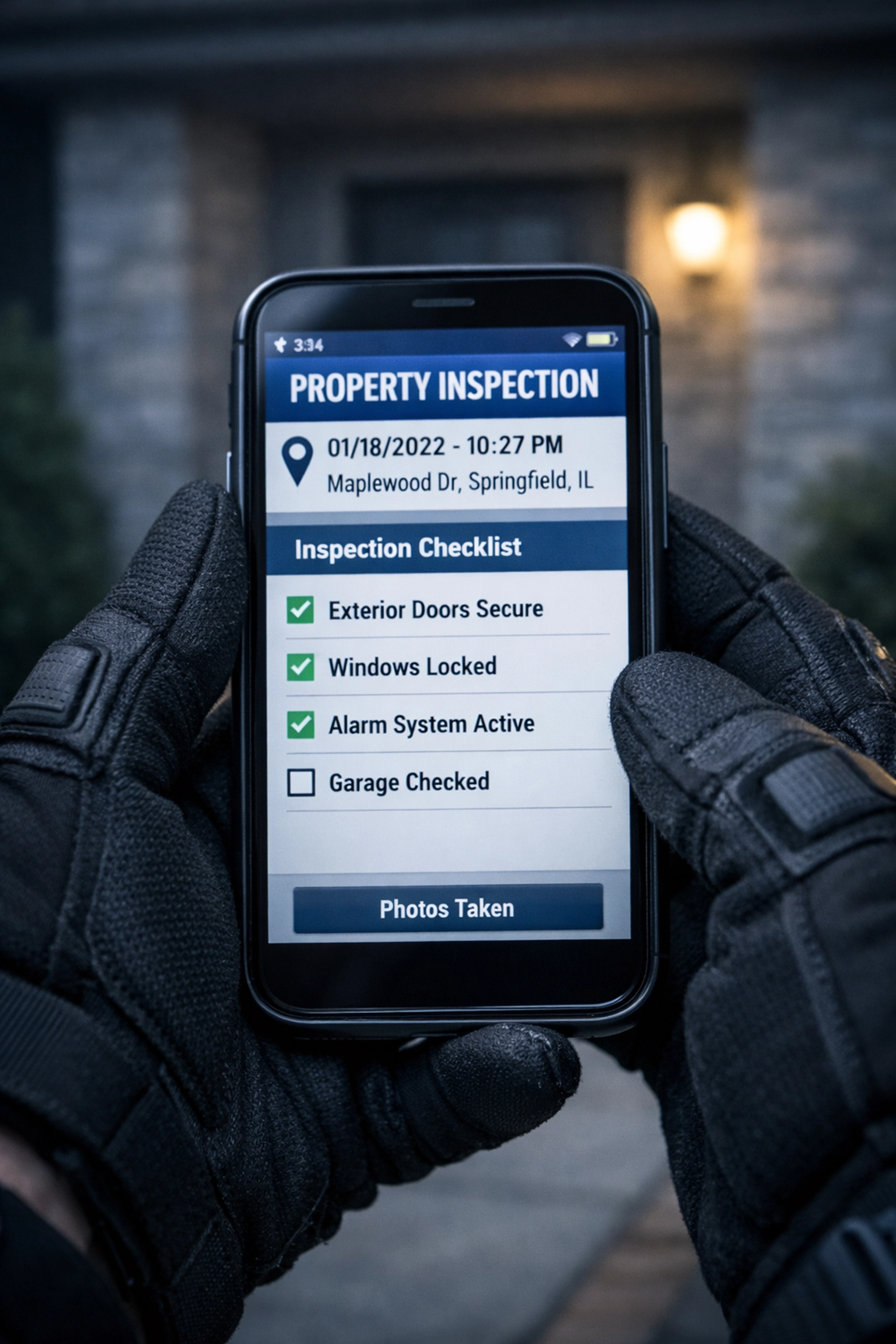
- Regular property checks
- Remote monitoring
- Incident reporting
The objective is to provide an appropriate level of protection while the property is unoccupied.
Temporary Alarm Systems for Properties and Sites
Not every property requires a permanent alarm installation.
There are many situations where a temporary alarm system can provide a practical security solution.
For example, a property may be:
- Vacant between tenants
- Awaiting sale or completion
- Undergoing refurbishment
- Awaiting demolition
- Being prepared for handover
- Temporarily unoccupied
- Undergoing a change of use
- A construction or development site
- Waiting for a permanent security system to be installed
SWPP provides a range of temporary and void property alarm solutions, allowing the system to be selected according to the requirements of the site.
Battery-Powered Alarm Systems
Where mains power is unavailable, unreliable or unsuitable, battery-powered temporary alarm systems can provide a flexible option.
This can be particularly useful for empty properties, buildings awaiting utilities or temporary security requirements where a permanent electrical installation isn’t practical.
Mains-Powered Alarm Systems
Where a suitable electrical supply is available, we can also provide mains-powered alarm solutions.
The appropriate system will depend on the property, its existing infrastructure, the required period of protection and the level of security required.
Professionally Monitored Alarm Systems
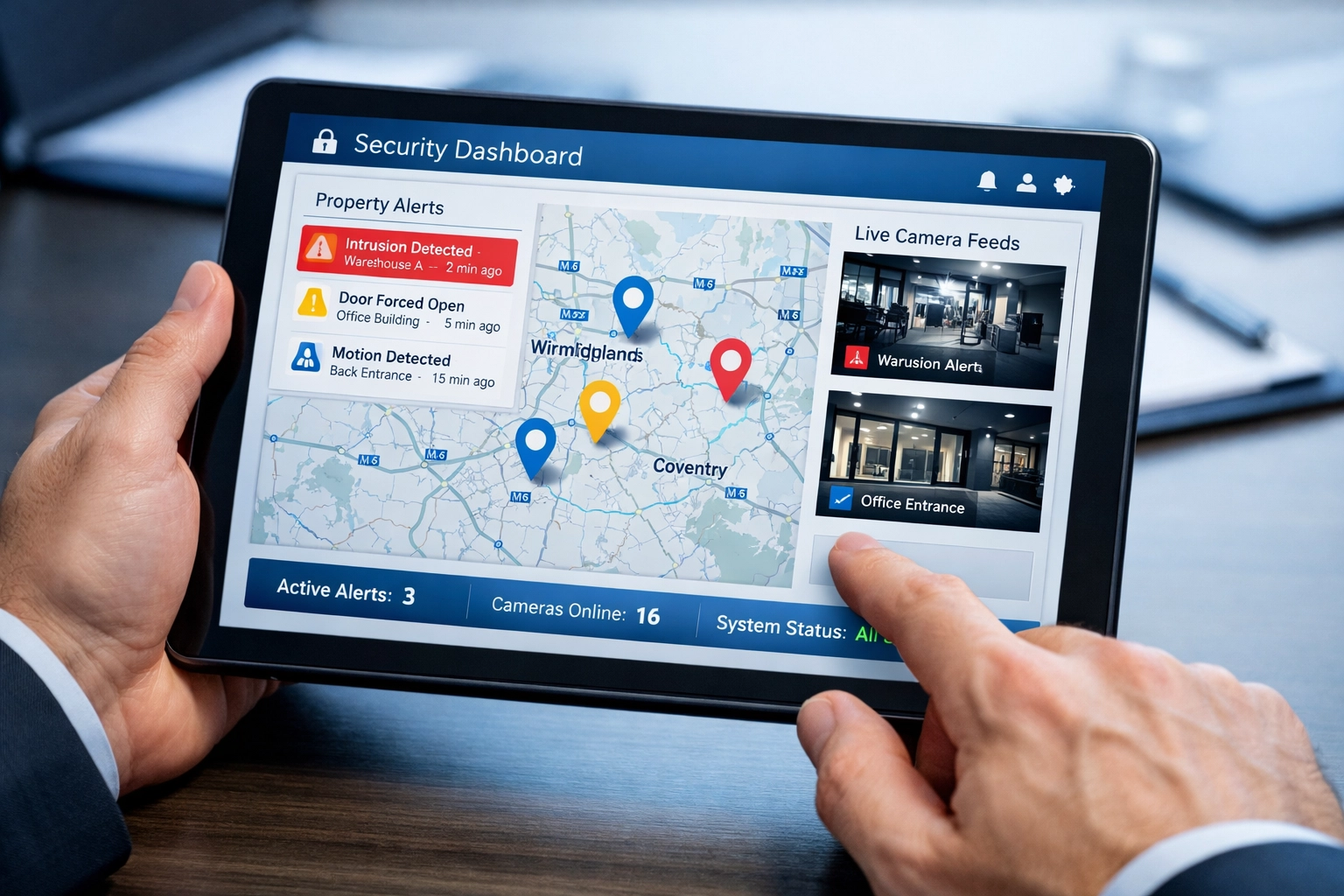
For properties requiring monitored protection, our alarm systems can be connected to our chosen Alarm Receiving Centre (ARC).
This provides professional monitoring of alarm events and allows the agreed response procedures for the property to be initiated when an alarm activation occurs.
This can provide an additional layer of reassurance for property owners, landlords, property managers and facilities management teams who may not be located close to the property themselves.
Combining Technology With a Physical Response
Technology is an important part of modern security, but it should not necessarily be considered in isolation.
An alarm can identify an event.
CCTV can provide visual information.
Monitoring can identify an activation.
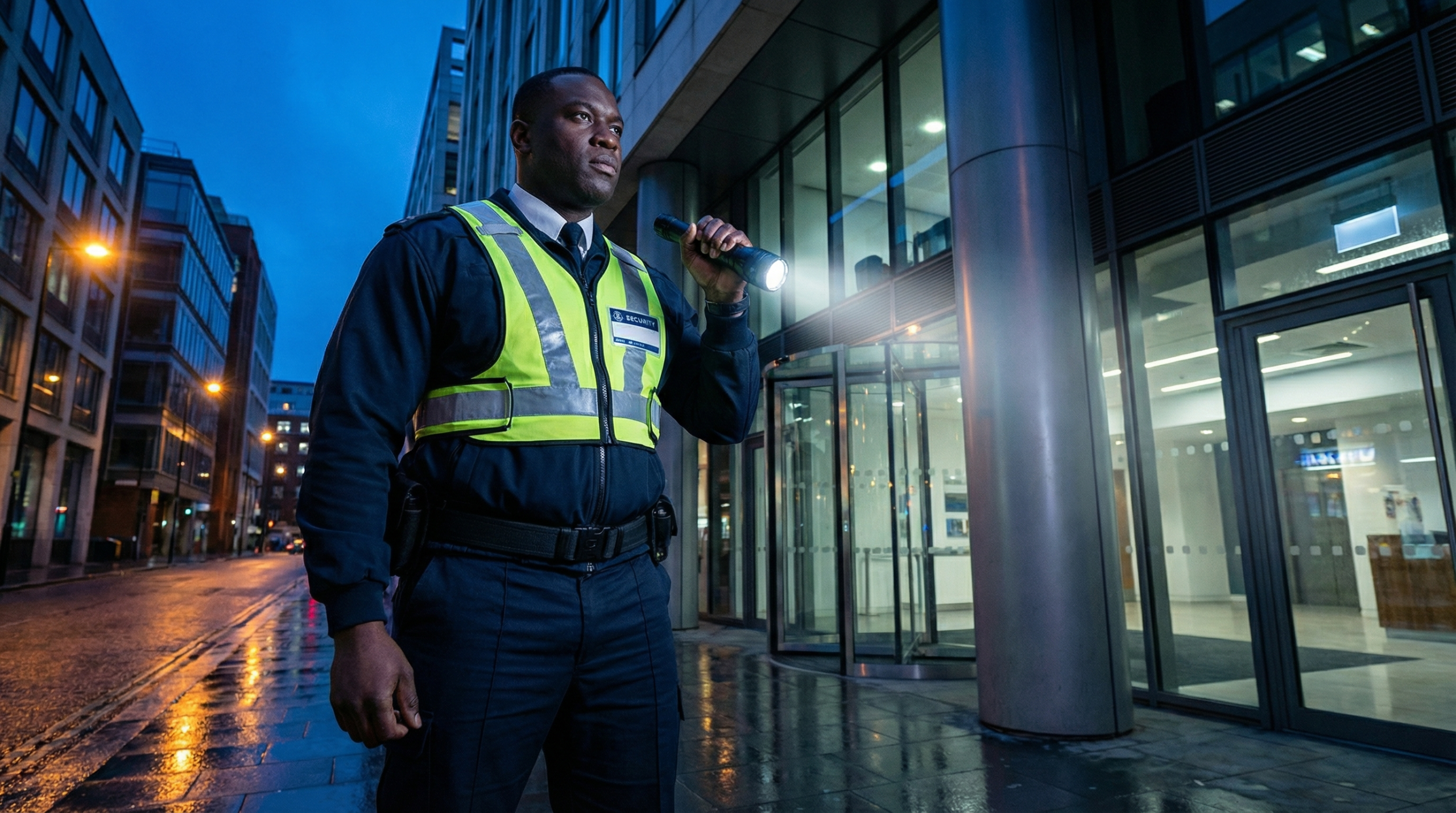
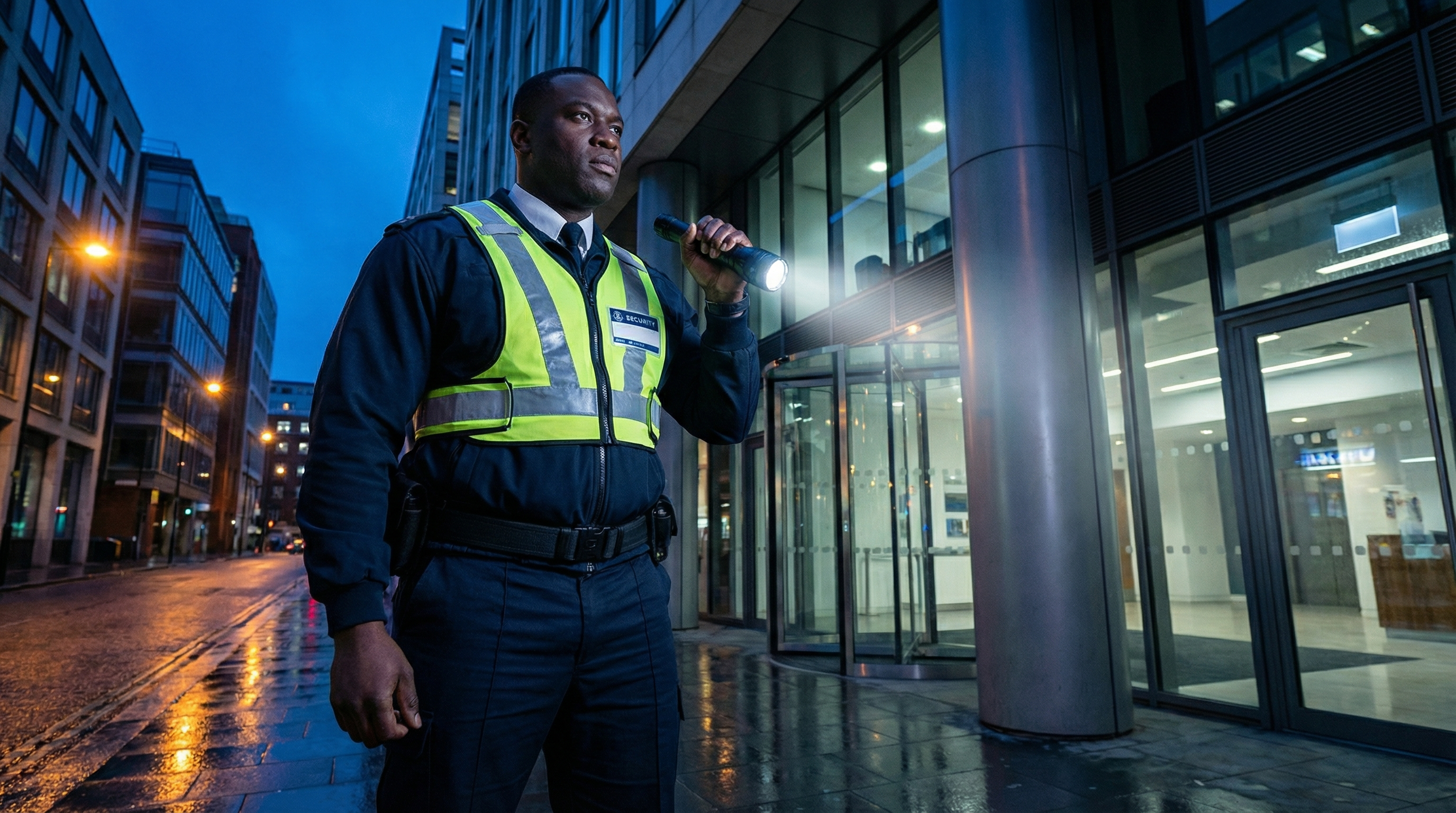
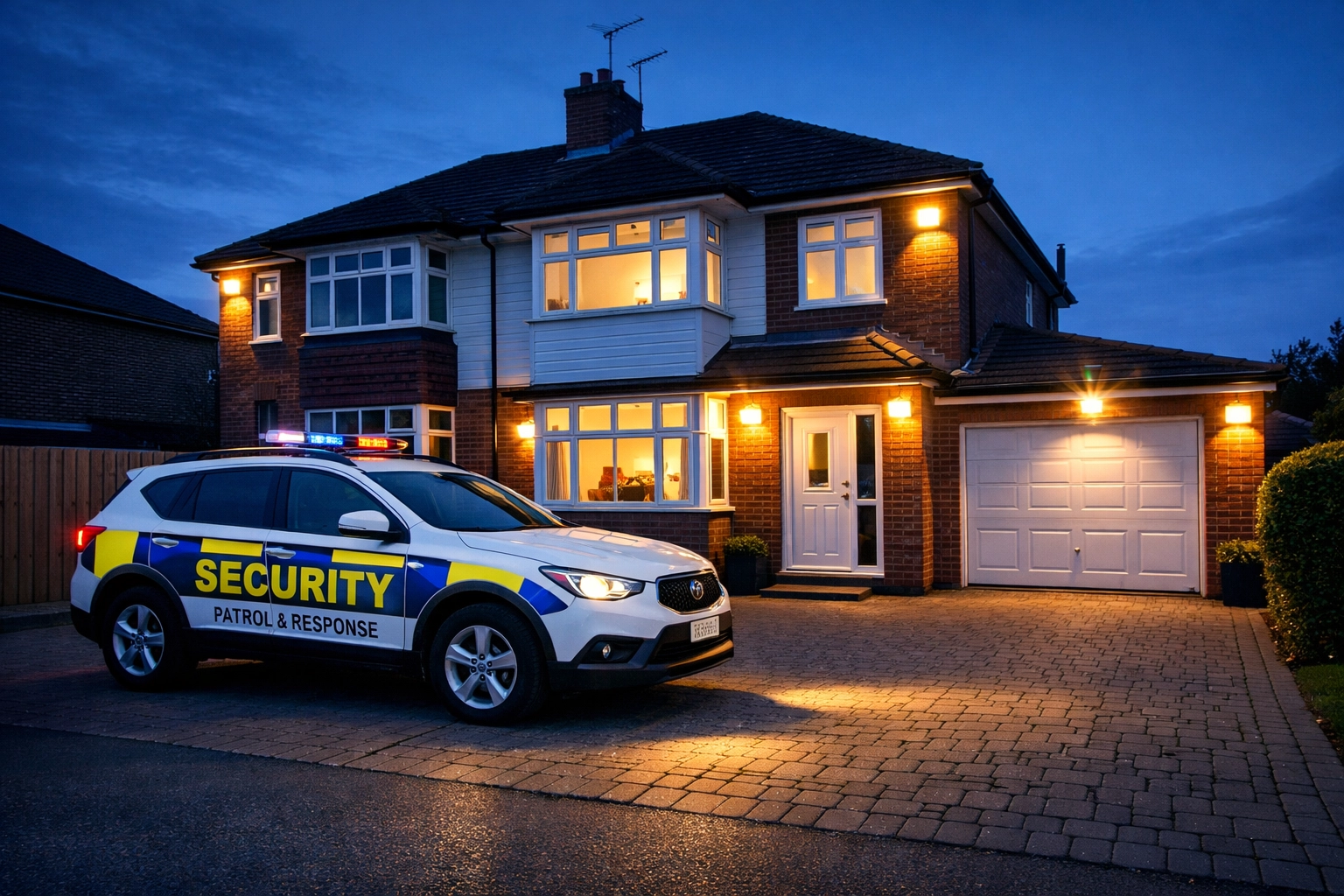
A trained response officer can attend the property.
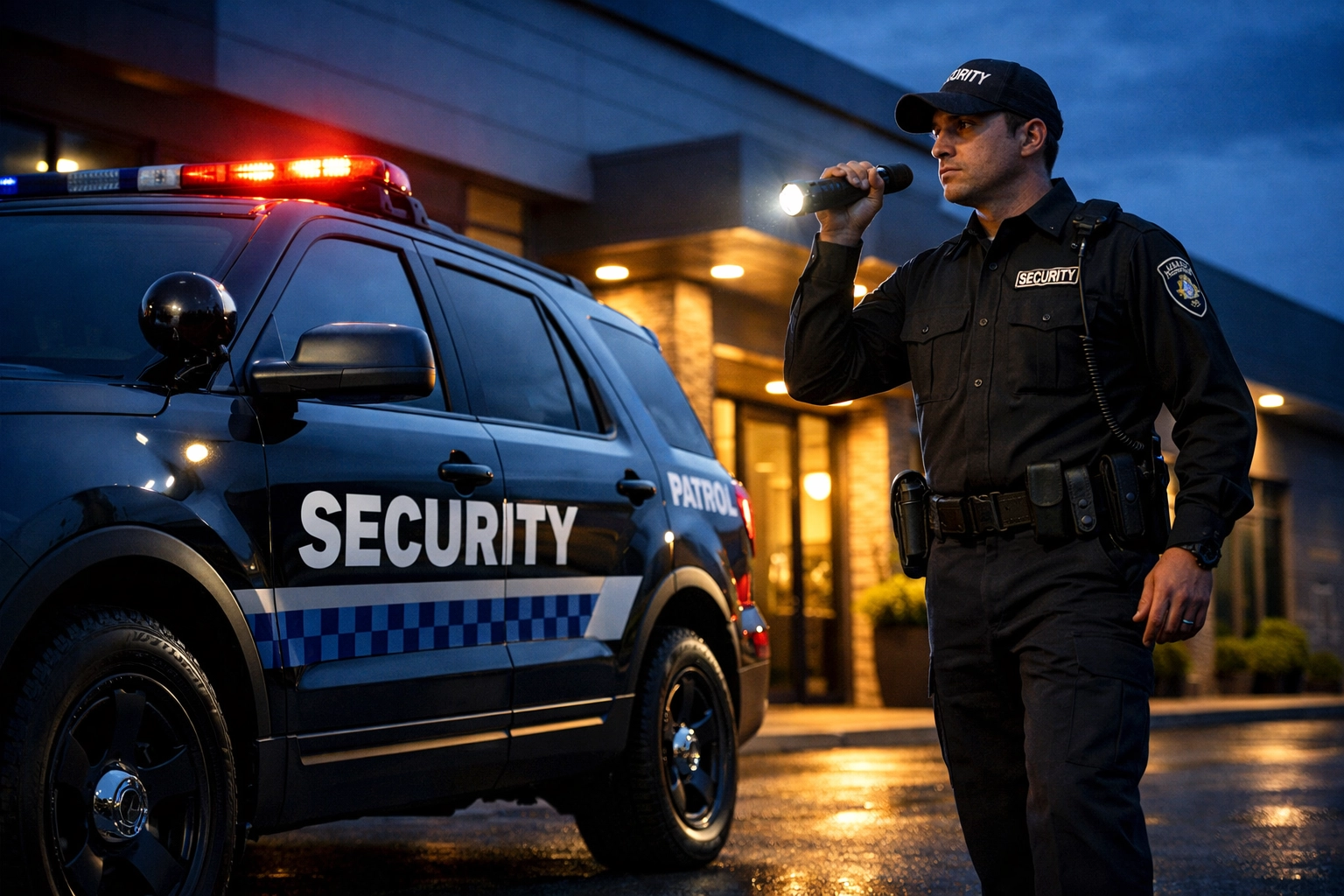
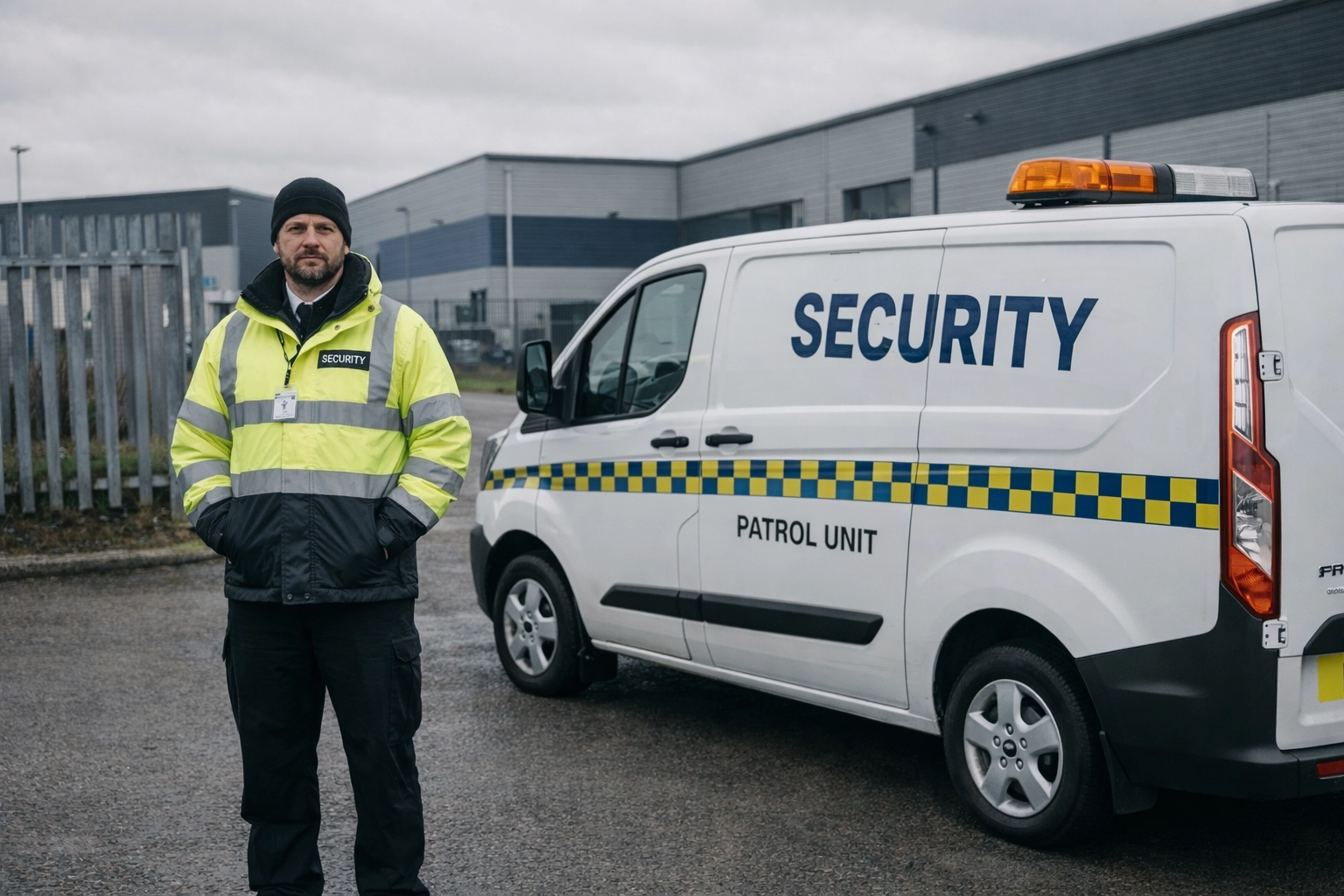
Mobile patrols can provide a visible deterrent and physical checks.
When these services are combined appropriately, they can provide a more comprehensive approach to protecting a property.
At SWPP, we can build security packages around the individual requirements of the site rather than relying on a single product or service.
CCTV and Remote Security Technology
CCTV can be an important component of a wider security strategy.
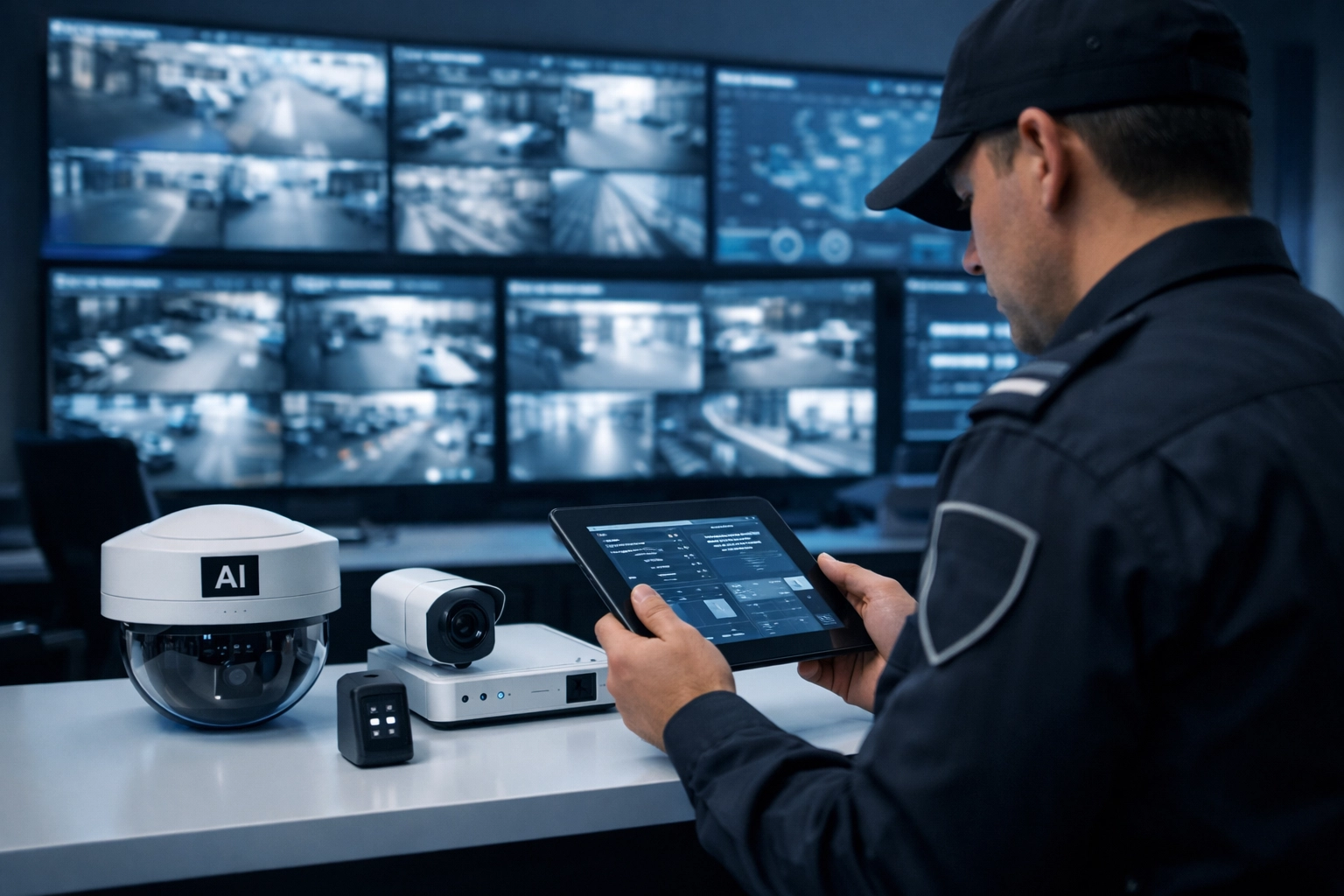
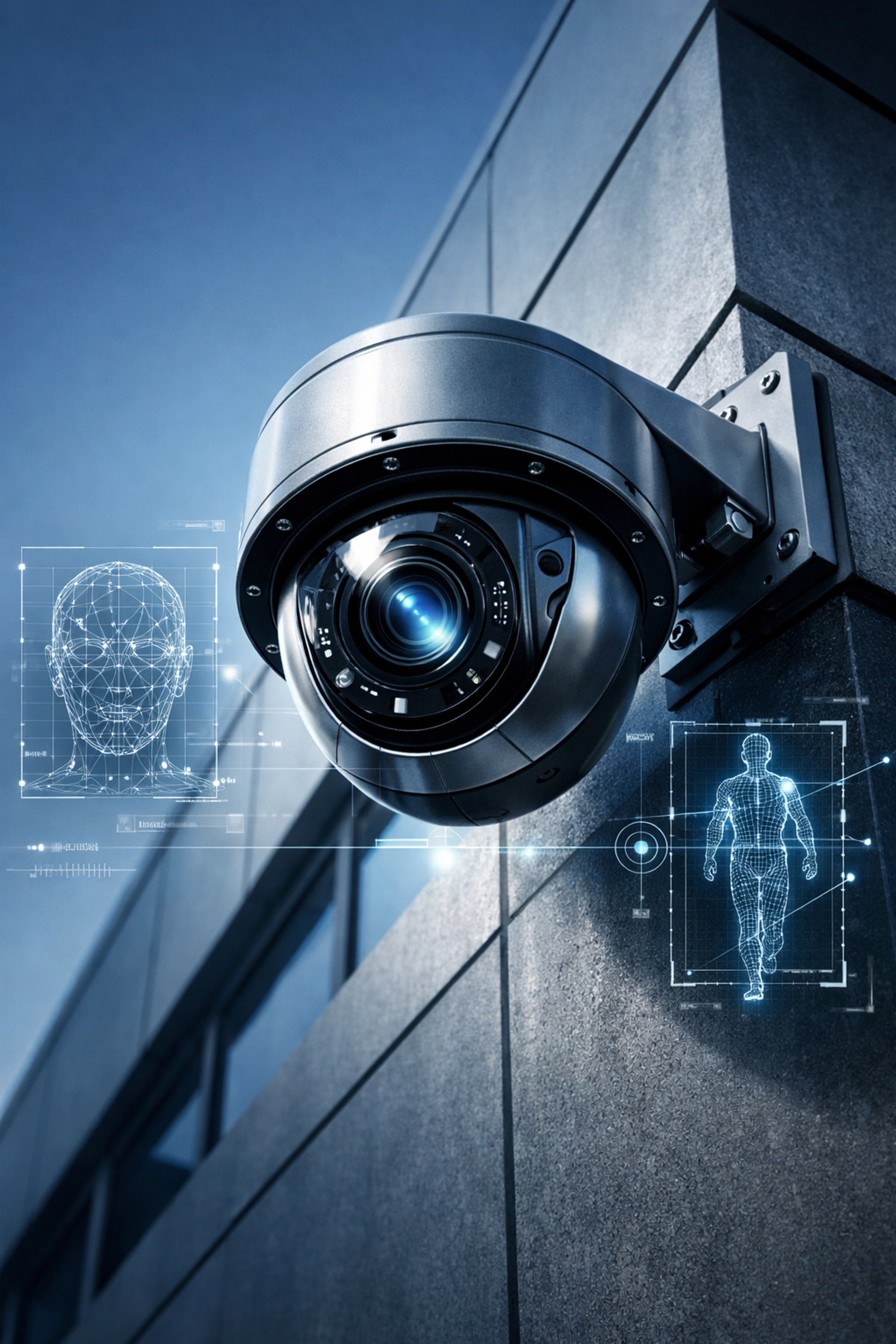
Depending on the circumstances, we can provide solutions incorporating CCTV and other security technologies to help monitor properties and identify potential incidents.
For temporary or vacant properties, this can be particularly useful where there may be nobody physically present on site.
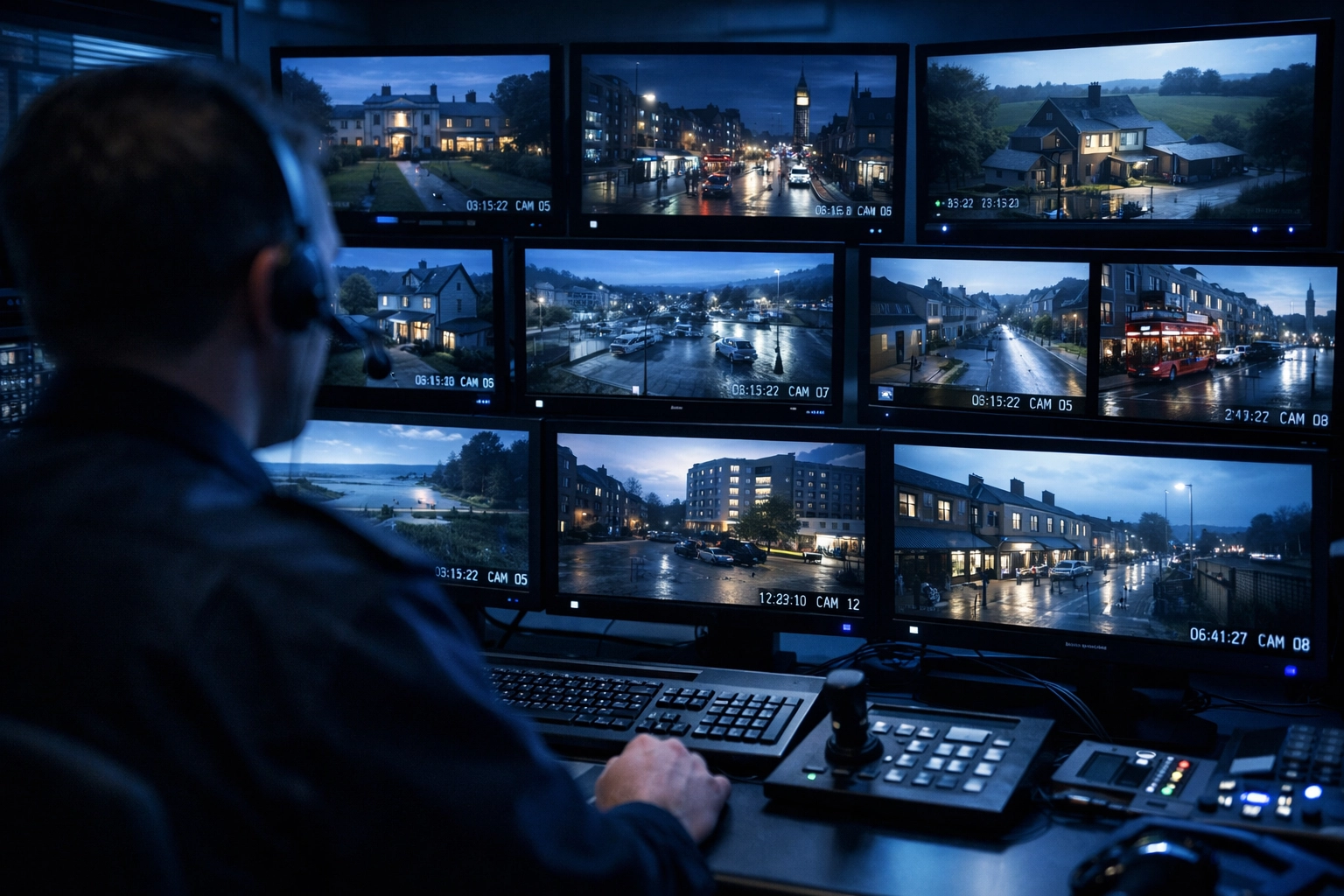
Modern technology can allow security providers and monitoring teams to have greater visibility of what is happening at a property, while recorded footage can also provide valuable information following an incident.
However, CCTV is only one part of the overall security strategy.
The system needs to be appropriately installed, configured, maintained and supported.
Mobile Patrols and Key Holding
Physical security remains an important part of protecting many commercial properties.
Mobile patrols can provide a visible security presence and allow properties to be checked at agreed intervals.
For businesses and property managers, key holding and alarm response can also provide an alternative to relying on employees or individuals who may not be available when an alarm activates.
A professional security provider can manage the response process and attend the property when required, subject to the agreed service arrangements.
This can be particularly valuable for:
- Commercial premises
- Offices
- Retail properties
- Industrial units
- Vacant properties
- Property portfolios
- Construction sites
- Managed properties
Manned Guarding and Static Security
Some sites require a physical security presence rather than remote monitoring alone.
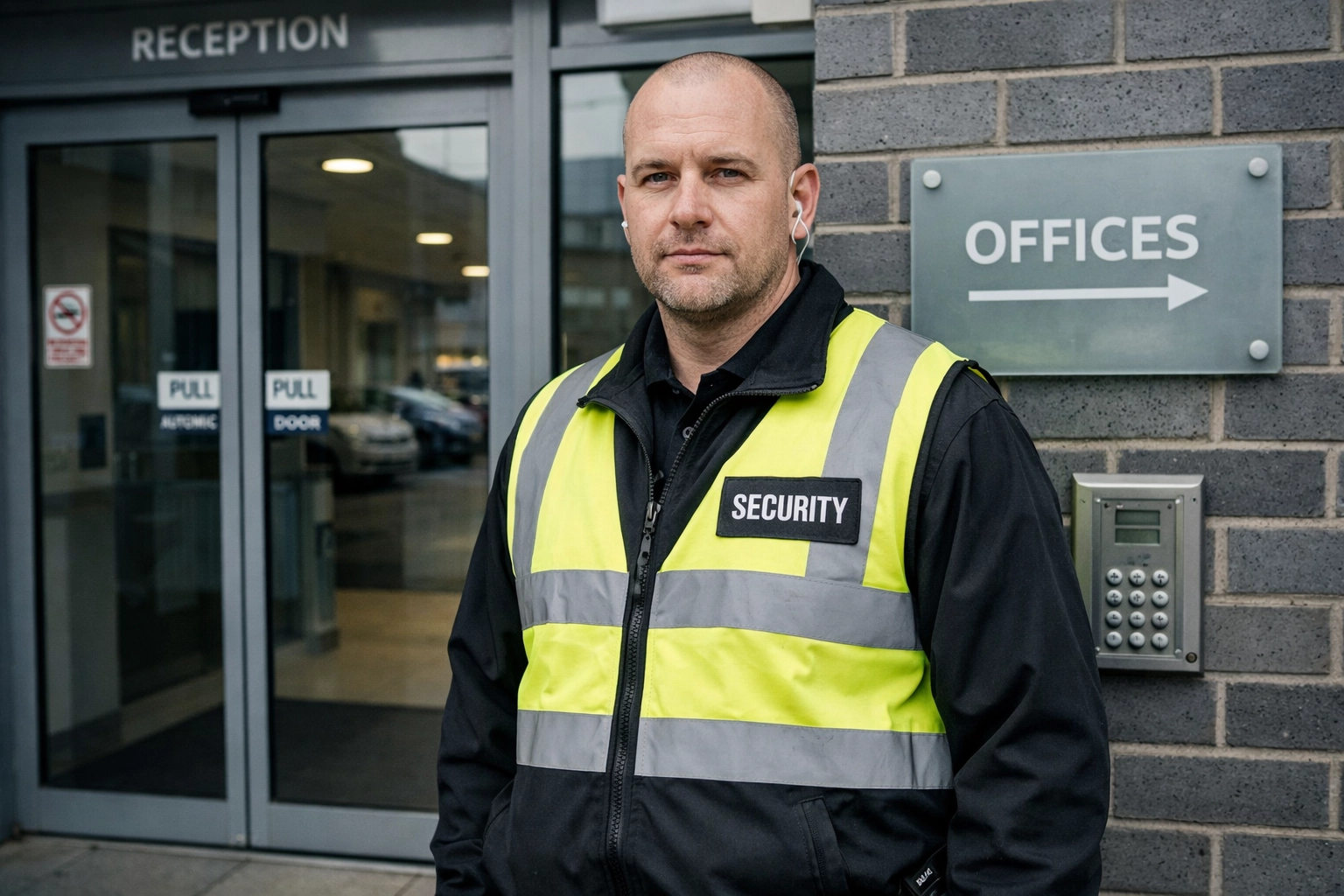
Depending on the requirements, static and manned guarding services can provide security personnel on site during specified periods.
This may be appropriate for locations where there is increased activity, valuable equipment, ongoing construction or a requirement for access control and physical security.
A good security provider should be able to assess whether manned guarding is appropriate rather than simply recommending guards as the default solution.
Construction and Building Site Security
Construction and development sites can face a range of security challenges.
Equipment, tools, materials and machinery may be attractive targets for theft, while unauthorised access can also create safety and operational concerns.
Temporary security measures can be particularly useful as the requirements of a construction site change throughout a project.
SWPP can provide solutions incorporating:
- Temporary monitored alarms
- Battery-powered systems
- Mains-powered systems
- Temporary CCTV
- Mobile patrols
- Key holding and alarm response
- Manned security
- Access control
- Other temporary security measures
The security strategy can then be reviewed as the project progresses.
Don’t Forget About Maintenance
Installing a security system is only the beginning.
CCTV cameras can fail. Batteries can require replacement. Alarm equipment can develop faults. Networks can change. Access control systems can require updates.
For this reason, maintenance should be an important consideration when choosing a security provider.
Ask:
- How often will equipment be checked?
- Who carries out maintenance?
- What happens if equipment fails?
- How are faults reported?
- How quickly are problems addressed?
- Is maintenance included in the contract?
- Is remote system monitoring available?
A security system that isn’t operating correctly when an incident occurs may not provide the protection you expected.
What Should You Look for in a Security Provider?
When comparing security companies, price is naturally an important consideration, but it shouldn’t be the only factor.
Consider the provider’s:
Experience
How long have they been operating, and do they understand the type of property or environment you need to protect?
Range of Services
Can they provide the services you actually require, or will you have to manage multiple security companies?
Operational Support
Who will manage the service once the contract has started?
Response Capability
What happens when an alarm activates or an incident is reported?
Technology
Can they provide modern security technology appropriate to your requirements?
Monitoring
If your system requires monitoring, who provides the monitoring service and what happens when an alarm event occurs?
Reporting
Will you receive clear records of patrols, alarm activations, incidents and attendance?
Flexibility
Can the security arrangements be changed if the property becomes occupied, vacant, refurbished or redeveloped?
Don’t Choose a Security Company Based on Price Alone
Security quotations can sometimes look very similar on the surface while providing significantly different levels of service.
A lower monthly price may not include the same level of monitoring, maintenance, response capability, personnel or reporting.
When comparing quotations, make sure you understand exactly what you are receiving.
Ask the provider to explain:
What is included?
What isn’t included?
Are there additional call-out or attendance charges?
Who provides the monitoring?
What happens when an alarm activates?
How are incidents reported?
What happens if equipment fails?
Understanding the complete service can make it much easier to compare providers fairly.
One Security Provider for Multiple Requirements
For landlords, facilities management companies and property managers, managing multiple security suppliers can create additional administration.
One property may require a temporary alarm.
Another may need mobile patrols.
A third may require key holding and alarm response.
A construction site may require temporary CCTV and monitored alarms.
Another commercial property may require manned guarding.
Having a security provider capable of supporting different requirements can help simplify the management of a wider property portfolio.
At SWPP, we provide a broad range of security services designed to support commercial properties, vacant properties, construction sites, landlords, property managers and businesses.
Security Should Evolve With Your Property
Security requirements aren’t necessarily permanent.
A property may start as an occupied commercial building, become vacant, undergo refurbishment and then be handed over to a new tenant.
The security arrangements may need to change at every stage.
This is why flexibility is important.
At SWPP, we can provide security solutions that can adapt as circumstances change, including temporary alarms, monitored systems, CCTV, mobile patrols, key holding, alarm response and manned guarding.
Choosing the Right Security Partner
The right security service provider should be more than a company that supplies an alarm, sends a patrol vehicle or provides a security officer.
They should understand your requirements, communicate effectively and provide a clear process for dealing with incidents.
Most importantly, they should be able to provide the right combination of people, technology, monitoring and response for your property.
At Srvwire Property Protection LTD (SWPP), we work with businesses, landlords, property managers, facilities management companies and commercial property owners to provide practical security solutions across the UK.
From void property security and temporary monitored alarms to mobile patrols, key holding and alarm response, CCTV, access control and manned guarding, we can help you build a security solution around your requirements.
Need to Review Your Property Security?
If you’re responsible for a commercial property, vacant building, development site or property portfolio and you’re unsure whether your current security arrangements are providing the right level of protection, speak to SWPP.
We can discuss your requirements and help identify practical options for protecting your property.
Contact Srvwire Property Protection LTD (SWPP) today for a free security consultation.
Srvwire Property Protection LTD (SWPP)
Telford, Shropshire | Nationwide Security Services
0333 358 0099
office@swpp.ltd
swpp.ltd
Protecting property. Supporting businesses. Responding when it matters.